
Recent posts:
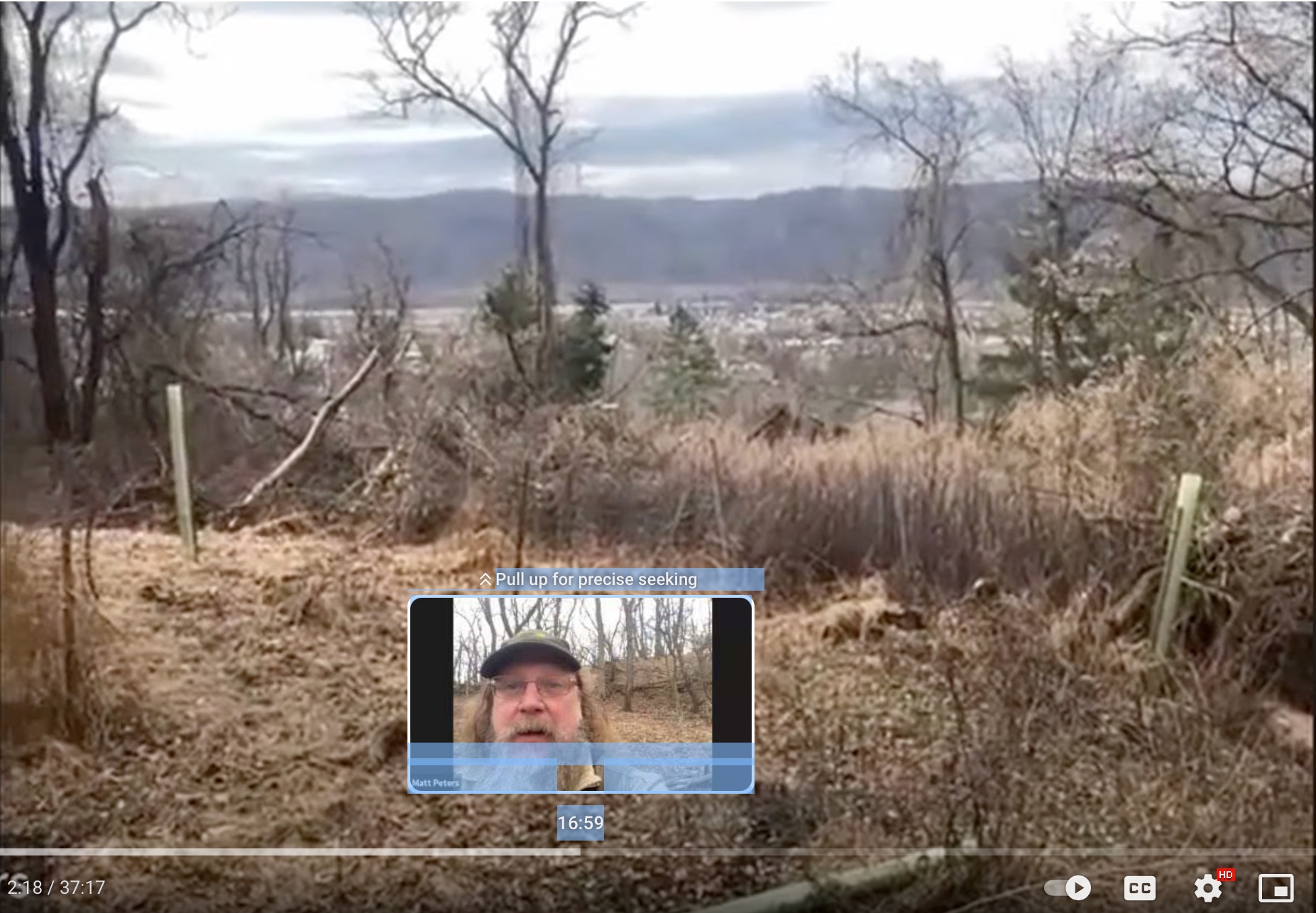
Watch this new video on YouTube:
Eastern U.S. Forests & Heartwood Forest Council (video interview with Matt Peters of Heartwood)
SPRING HEARTBEATS
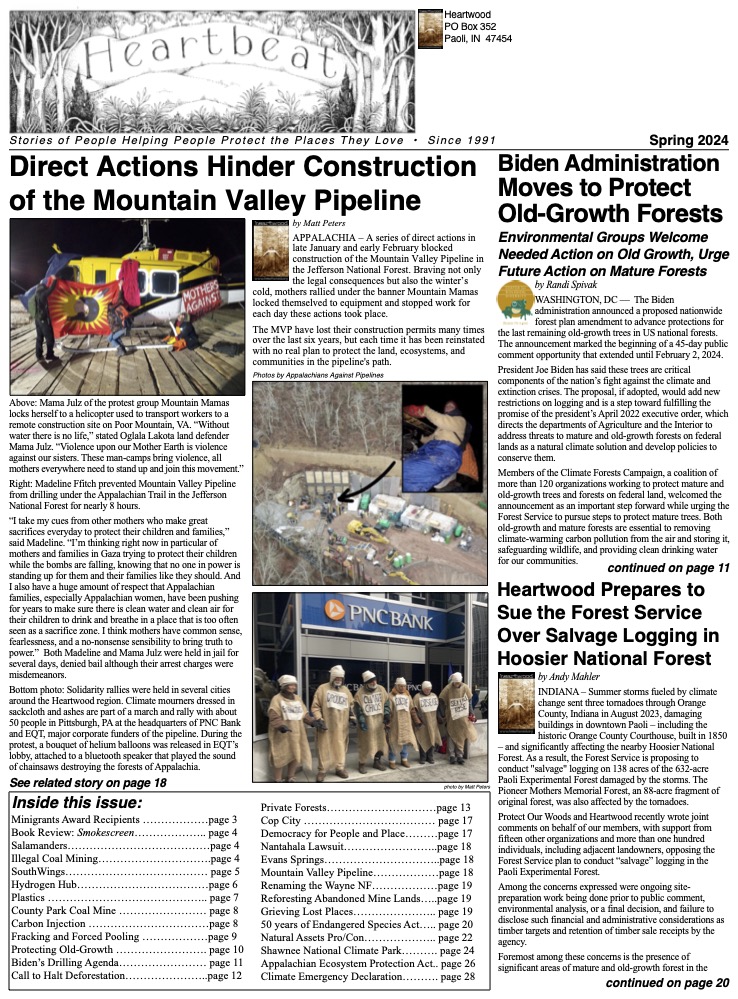
The latest Heartbeat is available! Click here for a PDF version, or become a member to receive print versions. Heartbeat is the biannual newsletter of the Heartwood community, with a Spring and a Fall issue timed to coincide with our two annual Events. Circulation is distributed throughout the Heartwood region and to all our Member Groups. We welcome your volunteer contributions!
Send your campaign updates, campfire yarns, socio-political insights, poetry, art, photos, rants or recipes to our Editorial Committee at info@heartwood.org for consideration.
Read more…
2024 Heartwood Forest Council
Registration is open! Register Today!
Thanks to our co-sponsors!
 Alliance for Appalachia
 Climate Forest Coalition
 Dogwood Alliance
 Eco-Integrity Alliance
 Friends of Bell Smith Springs
 Friends of Owen-Putnam State Forest
 Global Justice Ecology Project
 Indiana Forest Alliance
 Mountain Watershed Association
 Ohio Environmental Council
 Ohio Pawpaw Festival
 Peace Coalition of So. Illinois
 Save Ohio Parks
 Shagbark Seed Mills
 Shawnee Park and Climate Alliance
 Tree Pittsburgh
 United Plant Savers
 Village Bakery